
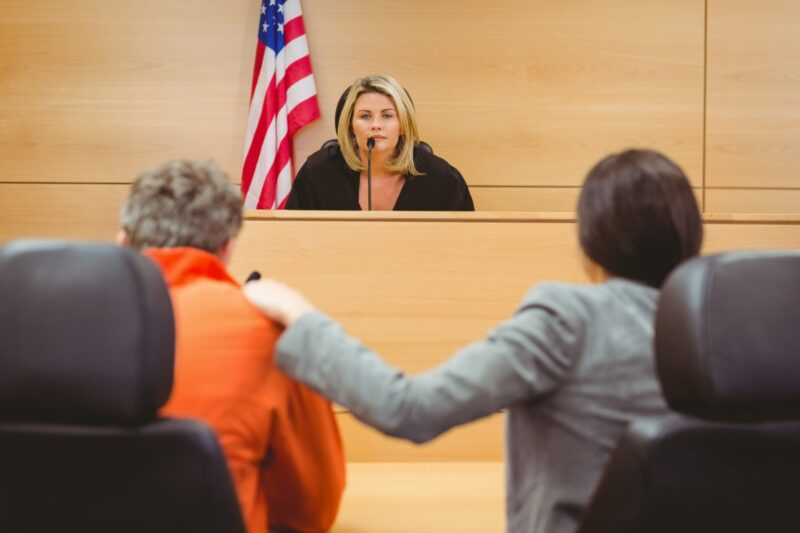
A domestic violence charge doesn’t end when you leave the courtroom. That’s the part most people aren’t prepared for.
The hearing happens. The decision gets made. And then life goes on — except it doesn’t, quite. Because what was decided that day follows you. Into job applications. Into custody hearings. Into housing searches. Into relationships you haven’t even started yet.
Understanding what’s actually at stake helps you make better decisions right now, when it still matters.
The Record Is the Thing That Stays
Let’s start with the most direct consequence — your criminal record. A domestic violence conviction in Missouri doesn’t just sit quietly in a courthouse file somewhere. It shows up on background checks. Employers run them. Landlords run them. Licensing boards run them. Even volunteer organizations run them these days.
And domestic violence specifically — not just any charge — carries a particular weight. It flags in systems that other offenses sometimes don’t. Certain professional licenses become harder or impossible to obtain. Jobs that involve working with children, vulnerable adults, or in healthcare settings may be closed off entirely. Some of those doors don’t reopen regardless of how much time passes.
That’s not meant to terrify you. It’s meant to make the stakes clear before decisions get made that can’t be undone.
What Happens to Gun Rights
Here’s something that catches people off guard — a domestic violence conviction, even a misdemeanor, triggers a federal firearms prohibition.
Under federal law, anyone convicted of a qualifying domestic violence offense loses the right to possess firearms. That’s not a Missouri-specific rule. It’s federal. Which means it applies regardless of what state you’re in, and it doesn’t expire after a few years of good behavior.
For people who work in law enforcement, security, or military roles — or who aspire to — this consequence alone can end a career path entirely. If firearms are part of your profession or your way of life in Kansas City, this is something you need to discuss with your attorney before any plea is entered.
Children and Custody — The Conversation Nobody Wants to Have
Domestic violence court decisions ripple into family court. That’s just the reality.
If you have children — or are in the middle of a custody dispute — a domestic violence conviction or even a sustained protective order can significantly affect what the family court decides about your parental rights. Missouri family courts consider domestic violence history when determining what arrangement serves the child’s best interest. A conviction doesn’t automatically end parental rights, but it becomes a factor that the other side will absolutely raise.
And if the other parent’s attorney raises it well, it can shift custody arrangements, limit visitation, or require supervised contact. These aren’t hypothetical outcomes. They happen in Kansas City courtrooms regularly.
This is why the decisions made in your domestic violence case don’t belong in a silo. They connect to everything else — and your attorney needs to understand the full picture of your life to advise you properly.
Housing Becomes Complicated
People underestimate this one until they’re living it. After a domestic violence conviction, finding housing gets harder in ways that feel disproportionate to the offense. Many landlords use background screening services that flag domestic violence convictions specifically. Some apartment complexes have explicit policies against renting to people with those records. Section 8 and other subsidized housing programs can also become inaccessible.
In a city like Kansas City — where the rental market already has its pressures — that narrowing of options is real. It’s not insurmountable, but it requires planning and, often, a support network willing to help bridge the gap.
Specialty Courts Exist for a Reason
Here’s the part of this conversation that often gets left out — there are alternatives, and they matter.
Kansas City Specialty Courts include programs specifically designed to address domestic violence cases differently. Rather than processing someone through standard prosecution and leaving them with a conviction that follows them for decades, these courts offer structured intervention — counseling, accountability, behavioral programs — with the goal of genuine, lasting change.dthebenchkc.org/spec
For eligible participants, completing a specialty court program can mean a different legal outcome altogether. Charges reduced or dismissed. A path that doesn’t end with a record that closes doors for years.
Beyond the Bench KC supports this approach directly. Based in Kansas City, Missouri, the organization promotes awareness and community backing for the rehabilitative mission of specialty courts. Their conviction — and it’s a genuine one — is that real justice means addressing the root of the problem, not just stamping a conviction and moving on. They work to make sure Kansas City residents know these options exist and that the community sees rehabilitation as a worthwhile investment.
If a specialty court path is available in your case, it’s worth taking seriously. Talk to your attorney about whether you qualify.
The Long Game: Expungement and What It Can — and Can’t — Do
Missouri does have an expungement process for certain offenses. If you qualify, expungement can remove the conviction from your public record — which helps with background checks, housing, and employment in meaningful ways.
But expungement isn’t available for everything. Certain domestic violence convictions carry restrictions on eligibility. And even when expungement is possible, it takes time — typically years after the sentence is completed — and it requires filing a petition and going back to court.
The federal firearms prohibition, it’s also worth knowing, is generally not lifted by state expungement. Federal law operates on its own track.
None of this means expungement isn’t worth pursuing if you’re eligible. It absolutely can be. But it’s a long-term strategy, not an immediate fix — and it shouldn’t factor into how casually you approach decisions in the near term.
The Decisions You Make Now Have a Long Reach
That’s the thread running through all of this. The choices made in the early stages of a domestic violence case — whether to fight a charge, what plea to enter, whether to pursue a specialty court option, how to handle protective order conditions — these decisions echo forward in time in ways that aren’t always obvious in the moment.
Get an attorney who understands both the criminal side and how it intersects with family law. Be honest with them about everything — your job, your children, your housing situation, your long-term goals. The more they know, the better they can protect your options.
And take the process seriously. Not just because of the immediate consequences, but because of everything that comes after.
Frequently Asked Questions
1. Does a domestic violence conviction stay on my record permanently in Missouri?
Yes, most of the time… until you subsequently qualify and successfully finish the expungement process. Missouri allows some crimes to be expunged, but you have to meet certain requirements depending on the offense, how the case was settled and how much time has passed since you were sentenced. Certain domestic violence convictions cannot be expunged due to restrictions. The only way to tell for sure is to have an attorney analyze your particular record and situation. Don’t presume either way until you have that answer explicitly.
2. Can I lose custody of my children because of a domestic violence case?
It’s a genuine risk that deserves honest attention. Missouri family courts are required to consider domestic violence history when making custody decisions, and a conviction — or even a sustained protective order — can influence the outcome significantly. It doesn’t automatically terminate parental rights, but it gives the other side a powerful argument to work with. If you have children or an active custody matter, your domestic violence attorney and your family law attorney need to be communicating about strategy. These cases don’t stay neatly separated.
3. Will I lose my right to own a firearm after a domestic violence conviction?
Under federal law, yes — if the conviction qualifies as a domestic violence misdemeanor or felony under the federal definition. This prohibition applies nationwide and doesn’t expire with time. It also isn’t automatically lifted by state expungement. For people in law enforcement, military service, or any profession that requires carrying a firearm, this consequence alone can end a career. If this applies to your situation, it needs to be part of the conversation with your attorney before any plea decision is made.
4. What are Kansas City Specialty Courts, and could they change my outcome?
Kansas City Specialty Courts are structured programs that handle certain cases — including some domestic violence cases — through a rehabilitation-focused process rather than standard prosecution. For eligible participants, these courts offer counseling, behavioral intervention, and accountability programs, with the possibility of a significantly better legal outcome — reduced or dismissed charges — upon successful completion. Beyond the Bench KC promotes awareness and community support for these courts and their mission. Whether your case qualifies for a specialty court track is something your attorney can assess. If it’s an option, it’s worth understanding fully before deciding how to proceed.
5. What impact does a domestic violence conviction have on employment and housing in Kansas City?
Both are impacted in ways that snowball over the years. Many organizations – particularly in healthcare, education, childcare and government – run background checks that specifically highlight domestic violence convictions, and some jobs are off the table regardless of qualifications. In some areas, this type of conviction can result in a professional licensing board denying or revoking a person’s license. On the housing side, many landlords and property management businesses screen for domestic violence records, and subsidized housing programs may be impacted, too. These aren’t outcomes that happen quickly. They advocate for the review of all possible legal avenues before a conviction is definitive.
Contact Beyond the Bench KC to learn more, and donate to Beyond the Bench KC to help us achieve our mission.